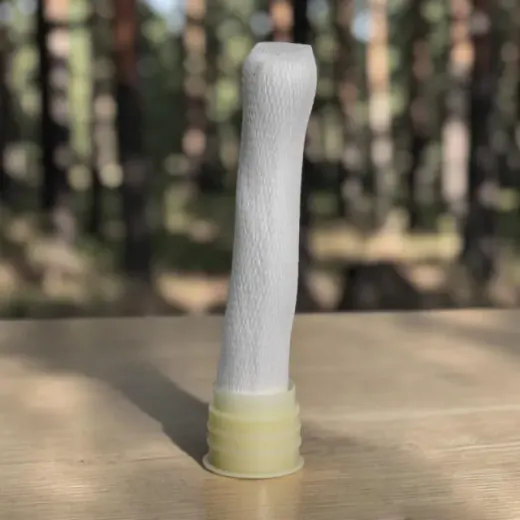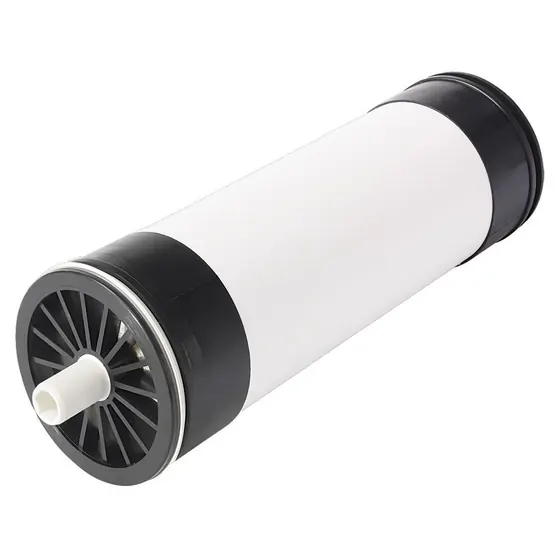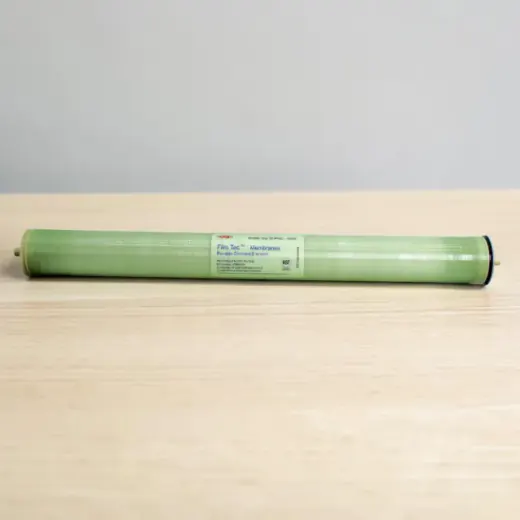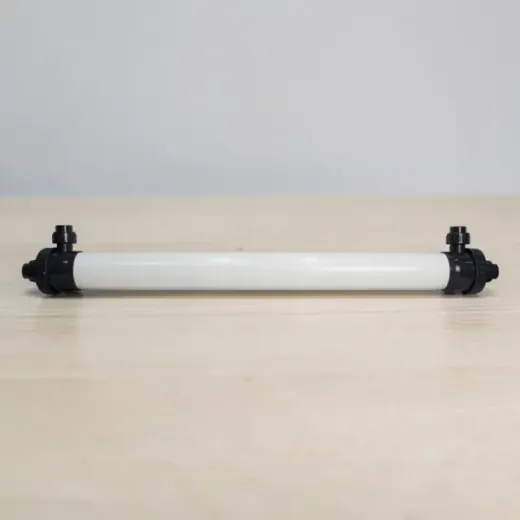
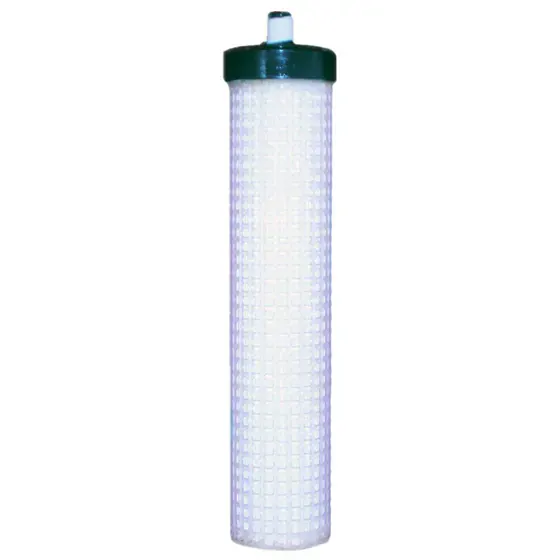
Hollow Fiber Ultrafiltration (UF 0.01–0.02 Micron) Cartridges & Industrial Modules
Hollow-fiber 0.01–0.02 µm UF cartridges & 4040/8060 racks blocking bacteria, cysts & colloids with zero wastewater.
Filters water physically through microscopic 0.01–0.02 µm PVDF, PES, or PAN hollow straw fibers—blocking 99.99% of bacteria, protozoan cysts, and fine turbidity at low 15–45 PSI pressure. Works both as zero-waste point-of-use drinking purifiers and commercial SDI <2 pre-RO modules.
Common Size / Rating Options
0.01 µm0.02 µm
Application Scale & Replacement Verification
Scale: Whole HouseBrand: Engineering Family
Compare housing dimensions, port diameter, and membrane GPD capacity before ordering spares or requesting local dealer quotes. Verify System Fit in Water Planner →
Before You Install: Always fit a 50–100 µm mesh/sediment strainer upstream and flush new modules cleanly to purge factory glycerin/preservative before putting into service.
Key Technical Specs
| Engineering Category | Whole House · Ultrafiltration (UF) Hollow Fiber |
|---|---|
| Field Variants Tracked | 288 dimensional & pressure configurations |
| Industry Standards | NSF/ANSI 42 · NSF/ANSI 53 · NSF/ANSI 419 |
| Format | 2"x10" Inline 1/4" QC, 2.5"x12" Inline 1/4" QC, 10" Slim Drop-In, 20" Slim Drop-In (+4 more) |
| Micron | 0.01 micron, 0.02 micron |
| Fiber | Hydrophilic PVDF Hollow Fiber, Modified PES Hollow Fiber, PAN Polyacrylonitrile Fiber |
| Flow Mode | Inside-Out Pressurized, Outside-In Air-Scour Backwashable |
Right Fit When
- Low-TDS municipal drinking purifiers wanting zero drain waste and intact healthy minerals.
- Commercial pre-RO racks lowering high Silt Density Index (SDI) surface/borewell water ahead of 4040/8040 RO.
- Field aliases & trade names: UF Membrane, Zero-Waste Hollow Fiber Filter, 0.01 Micron Bacteria Filter, PVDF UF Module.
- Engineered to NSF/ANSI 42, NSF/ANSI 53, NSF/ANSI 419 criteria where applicable.
When To Skip or Double-Check
- NEVER install UF expecting lower dissolved TDS, hardness softening, or arsenic/salt removal—dissolved ions pass freely through 0.02 µm pores.
Signs This Part Is Failing
- Zero water output from fouled hollow fibers
- Broken fiber strands passing turbidity (failed pressure-decay test)
- Irreversible protein fouling
Diagnostic Checklists If Something Goes Wrong
Step 1 · Execute fast-flush / backwash on sudden flow drop
Did UF permeate output fall sharply while incoming line pressure remains normal?
Open the flush/backwash valve for 30–60 seconds (or check automated CEB chemical backwash schedule on commercial racks).
Common Questions
Inside-out vs outside-in hollow-fiber UF modules—how do they differ?
Outside-in pressurizes raw feed outside the fiber bundle so large solids shed easily during air-scour/backwash; inside-out flows uniformly down the inner fiber lumen for lower-turbidity polishing.
Why use commercial UF ahead of 4040/8040 RO skids?
Replacing sand filters + cartridge pre-filters with UF delivers steady SDI <1.5 water regardless of monsoon turbidity spikes, cutting RO CIP frequency sharply.