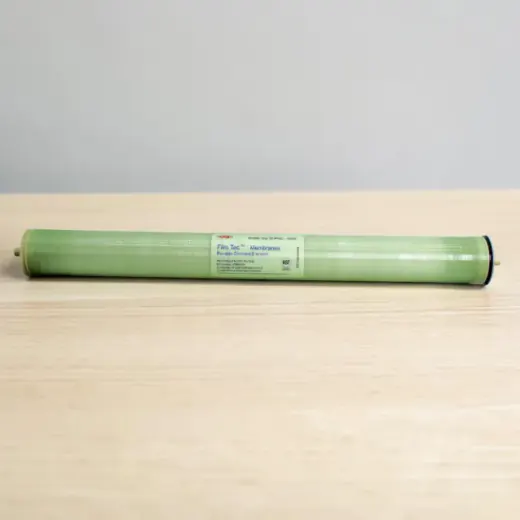
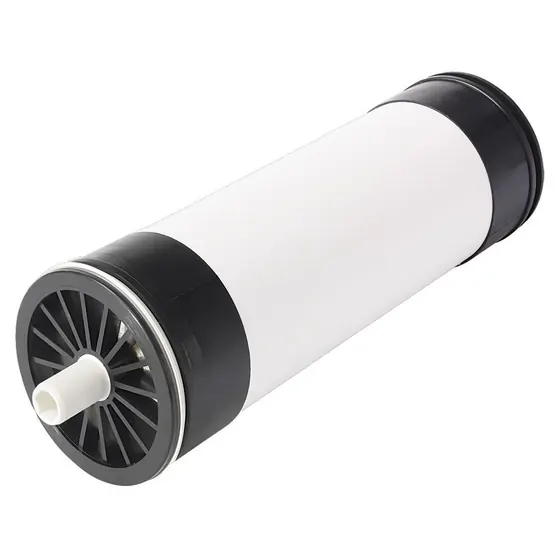
Spiral-Wound Nanofiltration (NF90 / NF270) Membrane Elements
Selective ~0.001 µm NF90/NF270 elements stripping hardness (Ca/Mg), sulfates, PFAS & color while passing soft minerals.
Bridges ultrafiltration and reverse osmosis: nanofiltration (~0.001 µm) rejects 85–99% of larger divalent ions (calcium, magnesium hardness, sulfate), PFAS, tannins, and pesticides at much lower pump pressure (70–130 PSI) while passing partial monovalent sodium/chloride ions—ideal for salt-free whole-house softening and color/TOC removal.
Common Size / Rating Options
1812254040408040
Application Scale & Replacement Verification
Scale: Commercial ROBrand: Engineering Family
Compare housing dimensions, port diameter, and membrane GPD capacity before ordering spares or requesting local dealer quotes. Verify System Fit in Water Planner →
Before You Install: Distinguish NF90 (tight—rejects ~90% total TDS + hardness) from NF270 (loose high-flux—rejects ~90%+ organics/hardness while passing ~50% monovalent salts) before sizing pumps and targets.
Key Technical Specs
| Engineering Category | Commercial RO · Nanofiltration (NF) Membranes |
|---|---|
| Field Variants Tracked | 72 dimensional & pressure configurations |
| Industry Standards | NSF/ANSI 61 · FDA 21 CFR |
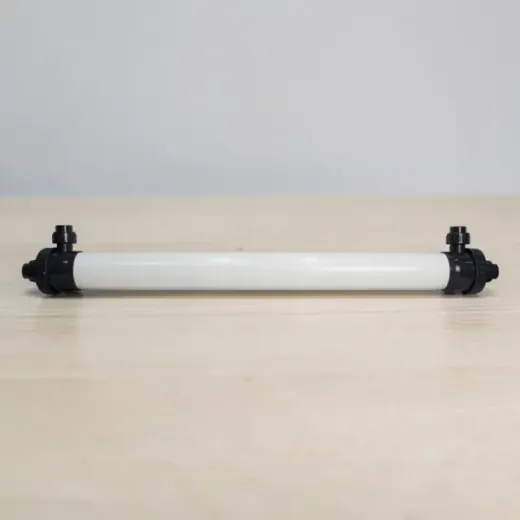
| Size | 1812, 2540, 4040, 8040 |
| Series | NF90 High-Rejection (90%+ Hardness & Salt), NF270 High-Flux Organic/Hardness Removal, NF-Softening Low-Pressure |
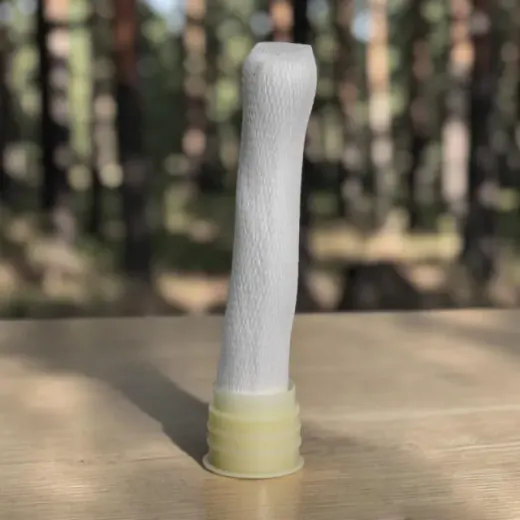
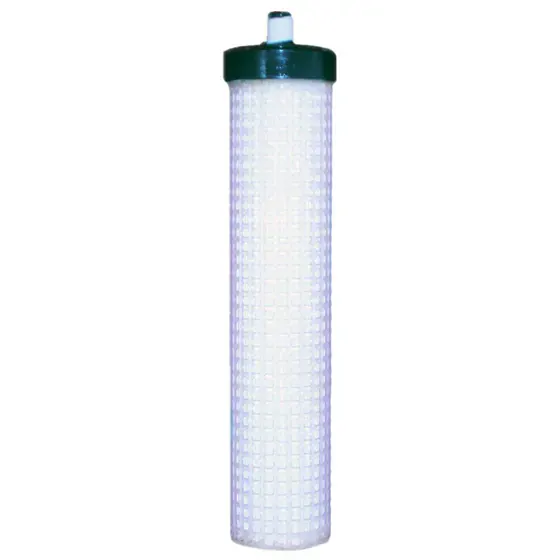
| Wrap | Tape-Wrapped, FRP Fiberglass Hard-Shell, Full-Fit Net Wrap |
| Grade | Standard Polyamide NF 0.001 micron, Sanitary Food/Beverage NF 0.001 micron |
Right Fit When
- Salt-free whole-house softening, tannin/color surface water plants, and selective sulfate/PFAS removal.
- 1812, 2540, 4040, and 8040 spiral-wound housings operating at lower pressure than full RO.
- Field aliases & trade names: NF Membrane, Water Softening Membrane, NF90, NF270.
- Engineered to NSF/ANSI 61, FDA 21 CFR criteria where applicable.
When To Skip or Double-Check
- Skip NF if total desalination of salty NaCl borewell water (>1,000 ppm NaCl) is needed—NF270 passes 40–60% of monovalent sodium chloride; step up to TFC RO membranes instead.
Signs This Part Is Failing
- Sulfate/calcium scaling on tail elements
- Loss of softening rejection
- Humic organic biofouling
Diagnostic Checklists If Something Goes Wrong
Step 1 · Check divalent hardness vs monovalent TDS expectations
Are calcium/magnesium hardness and color dropping cleanly while monovalent TDS still reads 30–50% of raw water?
Test outlet Total Hardness (CaCO3) separately from raw TDS pen readings.
Common Questions
NF90 vs NF270—which membrane should I pick?
Pick NF90 when you want near-RO hardness, pesticide, and salt rejection at low pressure; pick NF270 for maximum water flux removing organic color, tannins, and hardness while keeping crisp mineral taste.
Can nanofiltration soften whole-house hard water without regeneration salt?
Yes—NF removes 85–95%+ of calcium/magnesium scale ions mechanically without buying bags of softener salt, though it produces a continuous reject stream.