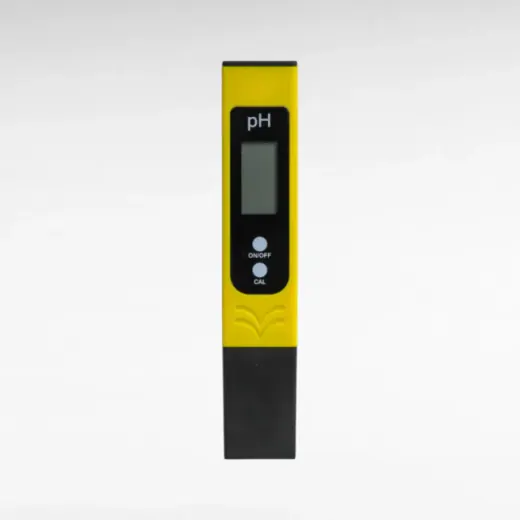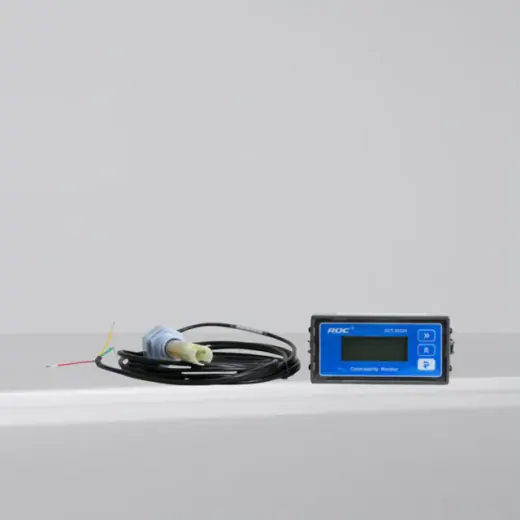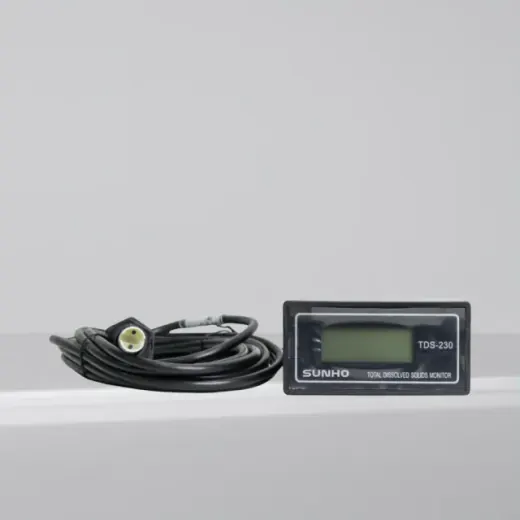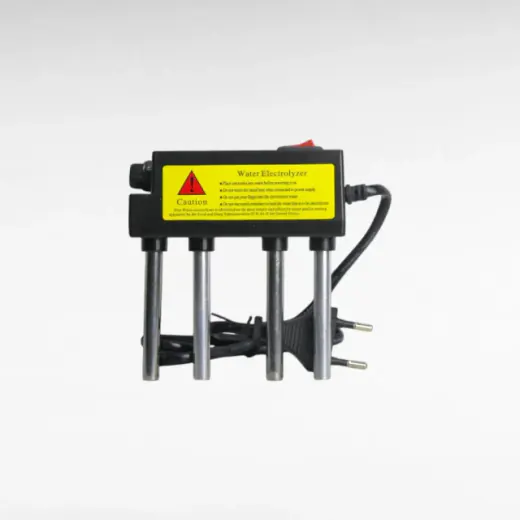
TDS, EC, pH, ORP & Resistivity Meters, Inline Monitors & Calibration Solutions
Digital TDS, EC, pH, ORP & 18.2 MΩ resistivity pens, dual inline monitors & 342 ppm / pH calibration buffers.
Quantitative water quality verification instruments proving system performance in exact numbers: handheld and inline dual/triple TDS meters calculate membrane % salt rejection, pH/ORP testers verify alkaline mineral cartridges and chlorine-free RO safety, and calibration solutions keep sensors honest.
Common Size / Rating Options
Single Unit
Application Scale & Replacement Verification
Scale: Testing & MaintenanceBrand: Engineering Family
Compare housing dimensions, port diameter, and membrane GPD capacity before ordering spares or requesting local dealer quotes. Verify System Fit in Water Planner →
Before You Install: Always sample pure RO permeate BEFORE any remineralizer/alkaline cartridge when testing membrane % rejection, swirl probes 5 seconds to shake off micro air bubbles, and calibrate twice a year in 342 ppm NaCl or pH 4/7 buffers.
Key Technical Specs
| Engineering Category | Testing & Maintenance · Water Quality Meters & Process Controllers |
|---|---|
| Field Variants Tracked | 105 dimensional & pressure configurations |
| Industry Standards | CE · RoHS · NIST Traceable Buffer |
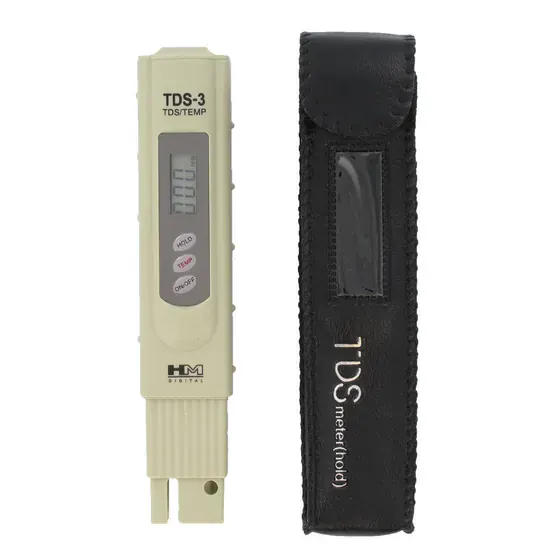
| Instrument | Handheld Pocket TDS/EC/Temp Pen, Dual Inline Digital TDS Monitor (1/4" QC Tees), Triple Inline Digital TDS Monitor (RO+DI 1/4"/3/8" QC), Panel-Mount Industrial Conductivity Controller (0-2000 uS, 4-20mA) (+3 more) |
| Probe Or Range | 0-9990 ppm Standard Range, 0-1999 uS/cm / 0-1000 ppm, 0-20.0 mS/cm Brackish/Seawater, pH 0-14 / +/-1999 mV ORP (+1 more) |
| Pack | Single Unit, 5-Pack Technician, 250mL / 500mL Bottle |
Right Fit When
- Homeowners tracking RO membrane health (>92–95% rejection) and reef RO/DI 0-ppm verification.
- Commercial RO panels monitoring live Feed, Permeate, and DI resistivity trends.
- Field aliases & trade names: TDS Pen, Dual Inline TDS Meter, Panel Conductivity Monitor, HM Digital Style.
- Engineered to CE, RoHS, NIST Traceable Buffer criteria where applicable.
When To Skip or Double-Check
- Keep in mind what each probe measures: TDS meters measure conductive dissolved ions ONLY—they NEVER detect bacteria, chlorine, or organic pesticides; pH glass bulbs must NEVER be stored dry or in pure 0-ppm DI water!
Signs This Part Is Failing
- Drifting readings from fouled probe electrodes
- Broken ATC thermistor
- Dead coin batteries
Diagnostic Checklists If Something Goes Wrong
Step 1 · Clear micro-bubbles & test pre-mineral TDS
Do digits bounce wildly, or does a healthy RO read 50–90 ppm at the kitchen tap?
Tap cup gently to release air bubbles; compare raw feed TDS vs pure water sampled BEFORE any alkaline/mineral stage.
Common Questions
342 ppm vs 1000 ppm NaCl calibration—which does my handheld TDS pen use?
Most standard 0–9990 ppm HM/OEM drinking-water TDS pens use 342 ppm NaCl (0.5 NaCl conversion factor); check your battery cap label before buying calibration liquid.
Why does an ORP meter drop slowly toward 200 mV after carbon filters?
Dechlorinated water loses strong oxidizing chlorine potential—seeing <200–250 mV confirms your carbon or SMBS stage is actively protecting the RO membrane!