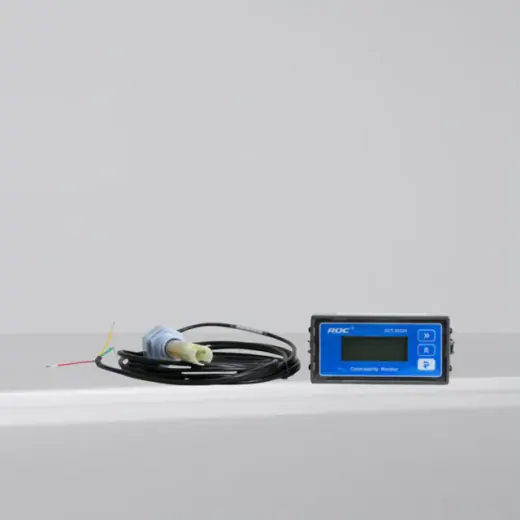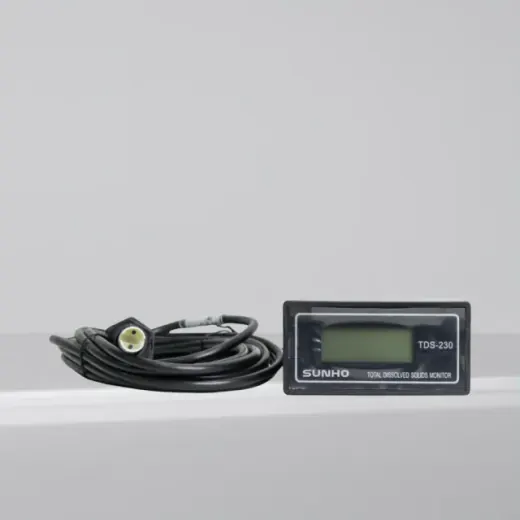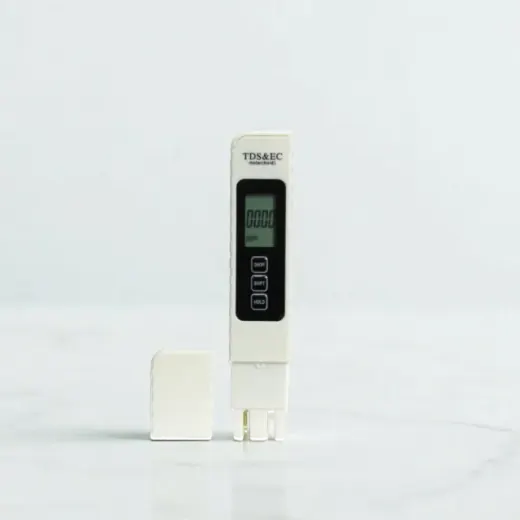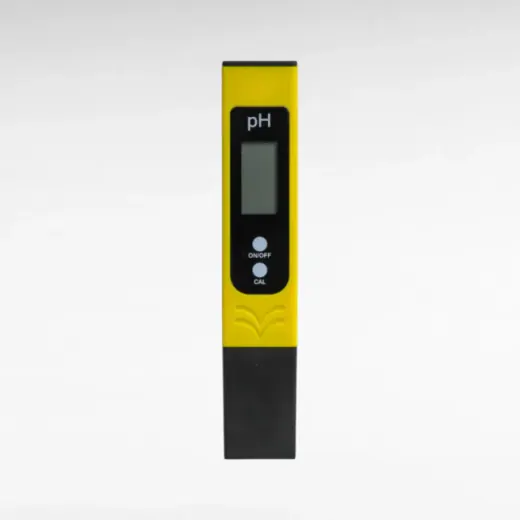
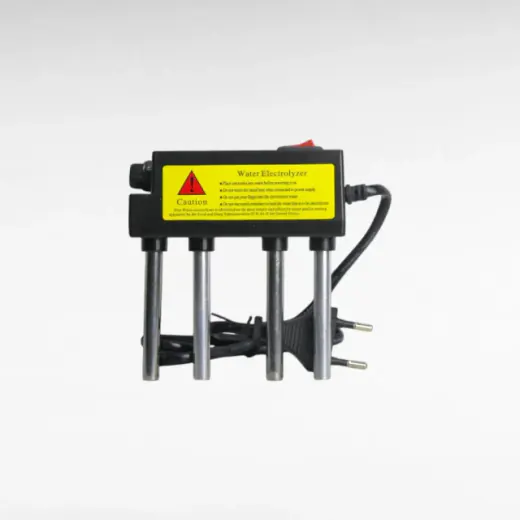
Water Electrolyzer (Instant Water Quality Tester for Drinking Water)
Instant 2-sample AC electrolysis visual demonstrator comparing dissolved conductivity reaction between raw vs RO water.
Passes low-voltage AC current between iron and aluminum rods immersed simultaneously in raw water and purified RO water. High-mineral tap water rapidly reacts with the iron electrode to form colored flocculant precipitates while low-TDS RO water stays clear—making conductivity differences visually obvious on site.
Application Scale & Replacement Verification
Scale: Domestic / HomeBrand: Axtron
Compare housing dimensions, port diameter, and membrane GPD capacity before ordering spares or requesting local dealer quotes. Verify System Fit in Water Planner →
Before You Install: Never touch the metal rods or dip fingers into either glass while plugged into AC mains, unplug immediately after 20–30 seconds, and never run on extreme >2,000 ppm brine that can overheat rods or blow the fuse.
Key Technical Specs
| System Series | Axtron |
|---|---|
| Application Duty | Domestic / Home |
| Sensor Interface | Corrosion-Resistant Platinum / Alloy Electrodes |
| Compensation Feature | Automatic Temperature Compensation (ATC) |
Right Fit When
- Side-by-side field demonstrations comparing high-TDS tap/bore water against purified RO permeate.
- Quick visual check proving an RO membrane is actively rejecting conductive salts.
When To Skip or Double-Check
- Never interpret dark brown/green electrolyzer sludge as "toxic heavy metals or poison" in tap water—the color comes mainly from the unit’s own sacrificial iron anode reacting with harmless calcium/sodium ions; use a digital TDS pen or lab kit for real measurements.
Signs This Part Is Failing
- Unit does not bubble or light up (blown internal glass fuse or corroded rod tips)
- Water boils hot or trips circuit breakers on very salty >2,000 ppm borewell samples
- Even purified 15 ppm RO water turns slightly cloudy from dirty oxidized iron electrodes
Diagnostic Checklists If Something Goes Wrong
Step 1 · Clean oxidized electrode rods with fine abrasive pad
Do all 4 rods look dull, rusted, or leave flaky rust even in distilled/0-ppm water?
With power unplugged, inspect the iron and aluminum prongs closely.
Common Questions
Does black or green water in an electrolyzer mean the water is poisonous?
No! The colors are mostly iron/aluminum hydroxide precipitated from the tester’s own metal rods reacting with normal minerals—measure true safety with a TDS meter and certified lab tests.
Why does good 20 ppm RO water stay light/clear?
Low-TDS water lacks conductive ions, so almost no electric current flows between the prongs.