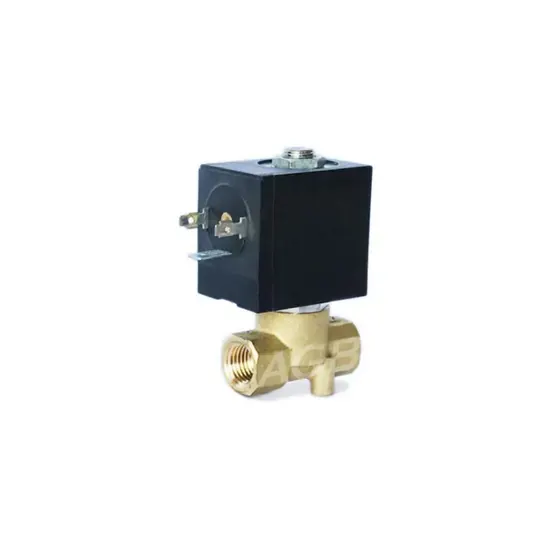
Replacement Solenoid Coils, DIN Plugs & RO Wiring Harnesses
Replacement 24V/220V electromagnetic solenoid coils, DIN plugs & color-coded RO wiring harnesses.
Replaces burnt-out electromagnetic coils on brass/plastic inlet/flush solenoid valves without plumbing disassembly, and provides pre-crimped spade/DIN harnesses tying SMPS adapters, LPS, HPS, booster pumps, and solenoids cleanly without loose electrical tape splices.
Common Size / Rating Options
12VDC24VDC24VAC110VAC
Application Scale & Replacement Verification
Scale: Pumps & ElectricalBrand: Engineering Family
Compare housing dimensions, port diameter, and membrane GPD capacity before ordering spares or requesting local dealer quotes. Verify System Fit in Water Planner →
Before You Install: If a solenoid valve hums loudly or fails to open even with full voltage at the DIN plug, ohm-test the coil first—if resistance reads normal (~30–80 Ω on 24V DC), the coil is fine and grit is jamming the brass plunger inside.
Key Technical Specs
| Engineering Category | Pumps & Electrical · Coils, Connectors & Wiring Harnesses |
|---|---|
| Field Variants Tracked | 45 dimensional & pressure configurations |
| Industry Standards | CE · IP65 DIN Plug · UL AWM Wire |
| Part | Replacement Encapsulated Solenoid Coil, Pre-Wired 5-Stage RO Wiring Harness (LPS+HPS+Pump+SV), DIN 43650A LED Indicator Solenoid Connector |
| Voltage | 12VDC, 24VDC, 24VAC, 110VAC (+1 more) |
| Terminal | Flying Wire Leads, 2-Pin Quick Connector, DIN 43650A 3-Prong |
Right Fit When
- Domestic 24V DC quick-connect harnesses and commercial DIN 43650A valve coils (24V/220V AC/DC).
- Cleaning up corroded, tangled under-sink wire nests during service calls.
- Field aliases & trade names: SV Coil, Solenoid Magnet Coil, RO Wire Harness, Quick Wiring Loom.
- Engineered to CE, IP65 DIN Plug, UL AWM Wire criteria where applicable.
When To Skip or Double-Check
- Check coil bore ID, pin height, and exact coil voltage (24V DC vs 24V AC vs 220V AC)—putting AC coils on DC power (or vice versa) melts windings or buzzes violently.
Signs This Part Is Failing
- Solenoid valve refuses to open despite clean plunger (open coil winding)
- Corroded spade connectors causing intermittent power loss
Diagnostic Checklists If Something Goes Wrong
Step 1 · Ohm-test coil winding vs jammed plunger
Does the solenoid stay closed even when 24V/220V reaches the coil terminals?
Unplug power and check resistance across both coil pins with a multimeter (Open OL = burnt coil; steady ohms = healthy coil, stuck mechanical plunger).
Common Questions
Can you test a solenoid coil without taking plumbing apart?
Yes! Slip a small steel screwdriver tip partway into the coil center hole while powered—healthy coils pull the screwdriver strongly by magnetism.
Does a 220V AC solenoid coil burn out faster than 24V DC?
AC coils draw heavy inrush current if the mechanical plunger jams partway open; DC coils stay cooler and tolerate dirty plungers slightly better.