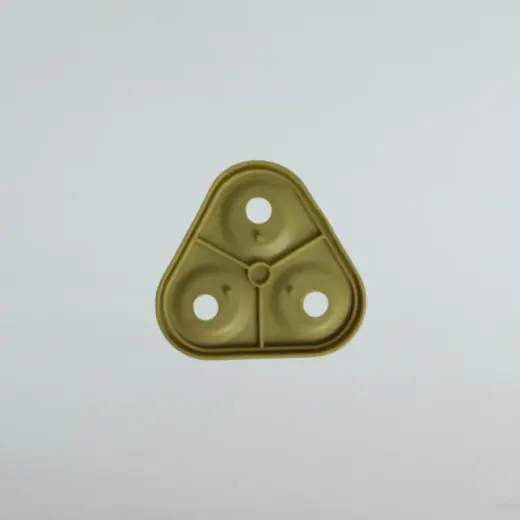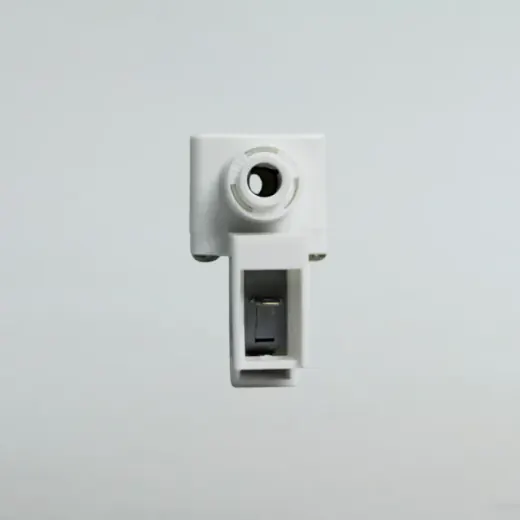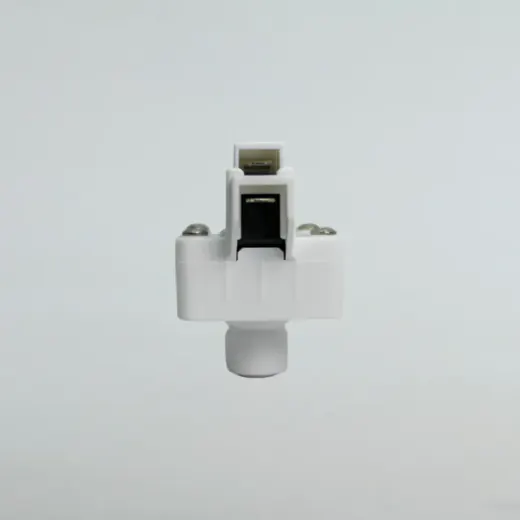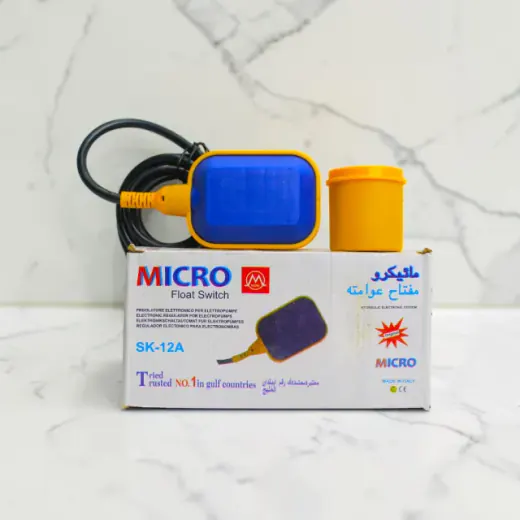
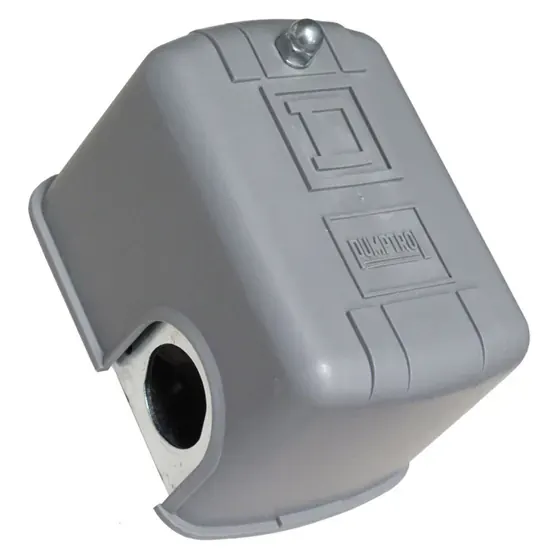
RO Pressure Switches (LPS / HPS) & Tank Float Switches
LPS dry-run guards, HPS full-tank cutoffs & float level switches protecting RO pumps and tanks automatically.
Three core electro-mechanical safety switches: Low-Pressure Switches (Normally Open, close >5 PSI) stop dry pump damage; High-Pressure Switches (Normally Closed, open 36–42 PSI) halt production when bladder tanks fill; Tank Float Switches control atmospheric storage levels safely.
Common Size / Rating Options
1/4" Female NPT1/8" Male NPT
Application Scale & Replacement Verification
Scale: Pumps & ElectricalBrand: Engineering Family
Compare housing dimensions, port diameter, and membrane GPD capacity before ordering spares or requesting local dealer quotes. Verify System Fit in Water Planner →
Before You Install: Keep the wiring loop rule straight: LPS mounts AFTER Stage 1 on raw feed; HPS mounts AFTER the membrane one-way check valve on the pure tank line—plumbing HPS before the check valve causes violent machine-gun chatter.
Key Technical Specs
| Engineering Category | Pumps & Electrical · Pressure & Level Switches |
|---|---|
| Field Variants Tracked | 840 dimensional & pressure configurations |
| Industry Standards | CE · UL Microswitch · NSF 61 Wetted Port |
| Switch Type | Low Pressure Switch (LPS - Dry-Run Protection), High Pressure Switch (HPS - Tank-Full Cut-Off), Dual Combined LPS+HPS Module, Atmospheric Tank Cable Float Switch |
| Threshold | 5-7 PSI Cut-In (LPS), 10 PSI Cut-In (LPS Commercial), 40 PSI Cut-Off (HPS), 60 PSI Cut-Off (HPS) (+3 more) |
| Port | 1/4" QC Push-Fit, 3/8" QC Push-Fit, 1/4" Female NPT, 1/8" Male NPT (+1 more) |
| Terminal | 1/4" Spade Terminals, Pre-Wired 2-Pin Plug Lead |
Right Fit When
- All 24V/36V domestic/semi-commercial RO wiring loops (1/4" or 3/8" quick-connect ports).
- Commercial atmospheric RO permeate/raw tanks using tethered counterweight or vertical stem floats.
- Field aliases & trade names: LPS Low Pressure Switch, HPS High Pressure Switch, Tank Full Cut-off Switch, Dry-Run Switch.
- Engineered to CE, UL Microswitch, NSF 61 Wetted Port criteria where applicable.
When To Skip or Double-Check
- Never exceed switch micro-contact amp ratings on large AC motors—wire float switches into 24V/220V contactor coils on >0.5 HP pumps.
Signs This Part Is Failing
- LPS failure: pump won't start with good inlet pressure
- HPS failure: pump runs continuously
- Chatters rapidly on/off
Diagnostic Checklists If Something Goes Wrong
Step 1 · Troubleshoot dead pump via LPS jumper test
Does the pump stay completely dead even with mains water open and 24V power live?
Pull both spades off the LPS and touch them together for 2 seconds while supply is open.
Common Questions
How can I tell an LPS apart from an HPS on an unlabelled switch?
Use a multimeter at 0 PSI: LPS reads Open (OL) at atmospheric zero pressure, while HPS reads Closed (~0 ohms) until pressurized past ~40 PSI.
Should HPS sit before or after the storage tank ball valve?
Always between the membrane check valve and the storage tank ball valve—putting it after the tank valve lets the pump over-pressurize if anyone shuts the tank valve!