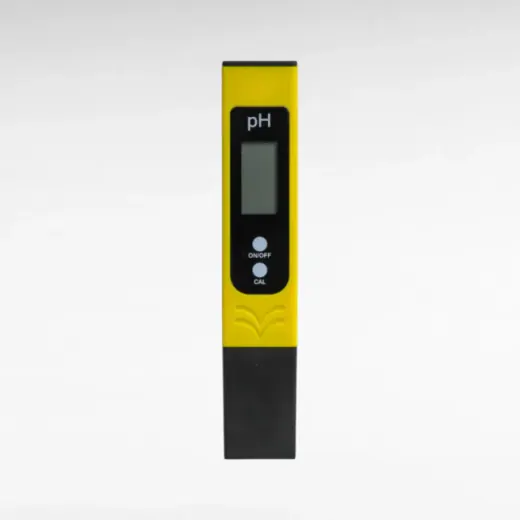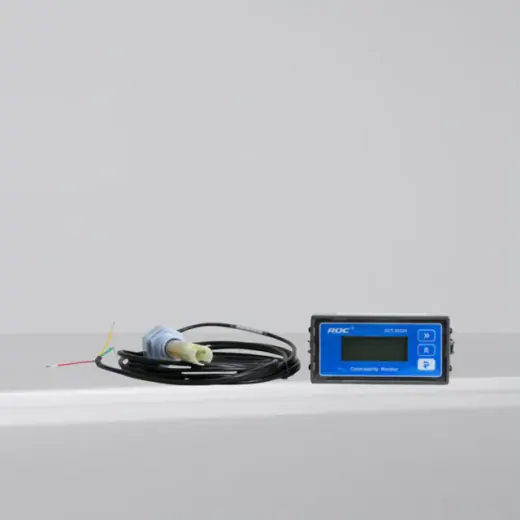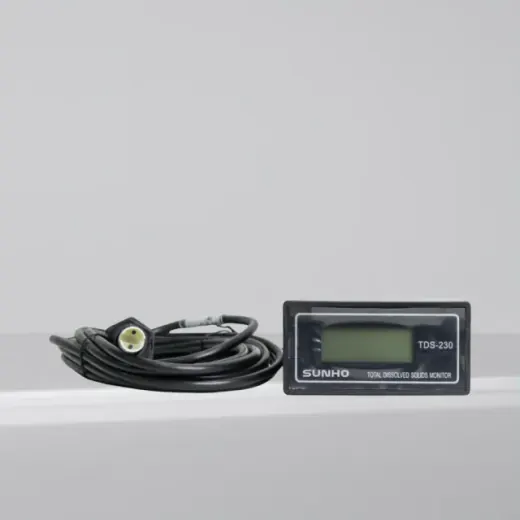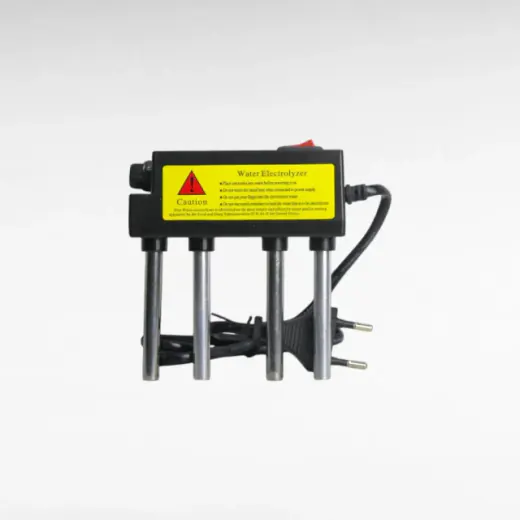
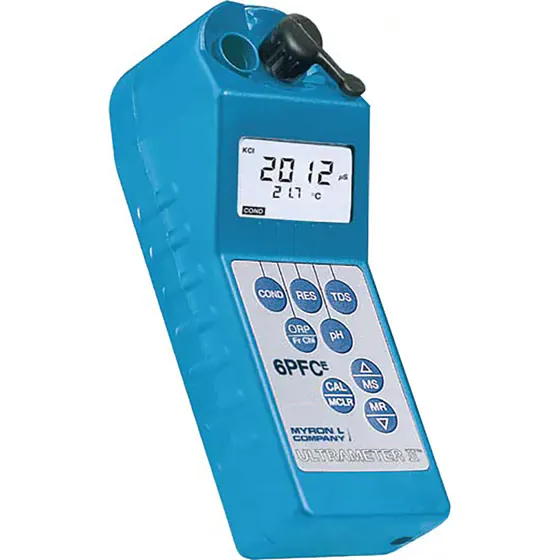
Inline 4-20mA / RS485 Conductivity, pH, ORP & Pressure Transmitters
4–20mA / RS485 Modbus conductivity, pH, ORP & pressure transmitters protecting industrial RO+EDI skids via PLC.
Continuously streams real-time permeate conductivity (µS/cm), dechlorination ORP (mV), feed pH, and high-pressure header PSI into skid PLCs and SCADA alarms. Immediately trips automated permeate dump valves or shuts down plants the millisecond chlorine (>250 mV ORP) or high conductivity threatens membranes or EDI stacks.
Common Size / Rating Options
1/2" NPT/BSP3/4" NPT/BSP
Application Scale & Replacement Verification
Scale: Industrial ROBrand: Engineering Family
Compare housing dimensions, port diameter, and membrane GPD capacity before ordering spares or requesting local dealer quotes. Verify System Fit in Water Planner →
Before You Install: Remember that ORP >250–300 mV on dechlorinated feed water signals free chlorine breakthrough—set your PLC alarm trip with a 15-second debounce delay before shutting down the high-pressure pump.
Key Technical Specs
| Engineering Category | Industrial RO · Process Transmitters & Sensors |
|---|---|
| Field Variants Tracked | 36 dimensional & pressure configurations |
| Industry Standards | CE · IP65/IP68 · Modbus RTU / 4-20mA |
| Sensor | Inline Conductivity Sensor + Cell (K=0.1/1.0/10), Inline pH Electrode + Pre-Amp (0-14 pH), Inline ORP Redox Probe (Dechlorination Safety), SS316 Pressure Transducer (0-150/300/1000 PSI) |
| Output | 4-20mA 2-Wire Loop, RS485 Modbus RTU, 4-20mA + Dual Relay Alarm Controller |
| Mount | 1/2" NPT/BSP, 3/4" NPT/BSP, Sanitary Tri-Clamp |
Right Fit When
- Automated commercial/pharma RO+EDI plants requiring continuous PLC interlock alarms and logging.
- High-pressure stainless manifolds and sanitary Tri-Clamp/NPT sensor tees.
- Field aliases & trade names: Conductivity Sensor, ORP Probe, Inline pH Electrode, 4-20mA Pressure Transducer.
- Engineered to CE, IP65/IP68, Modbus RTU / 4-20mA criteria where applicable.
When To Skip or Double-Check
- Keep ORP and pH sensors hydrated in continuous flow tees—mounting at high dry spots cracks glass bulbs and gives false 0 mV / erratic readings.
Signs This Part Is Failing
- ORP dropping
- Spiking erroneously (coated platinum electrode)
- Pressure transducer zero drift
Diagnostic Checklists If Something Goes Wrong
Step 1 · Clean ORP/pH glass or conductivity cell fouling
Is ORP stuck strangely low/high or conductivity drifting steadily away from handheld lab checks?
Isolate sensor tee, inspect platinum ORP tip or conductivity rings for iron/bio-slime, and soak in mild HCl/detergent per datasheet.
Common Questions
Why use an ORP transmitter ahead of industrial RO membranes?
ORP measures oxidizing power in millivolts—even tiny chlorine traces spike ORP sharply (>300 mV), catching failed carbon or SMBS dosing pumps before membranes burn.
Why keep 4–20mA sensor cables separated from VFD motor wires?
High-frequency VFD switching induces noise onto unshielded analog loops unless routed cleanly in separate conduit.