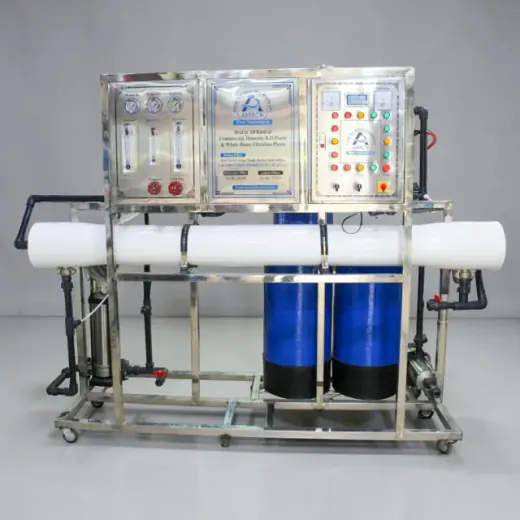
1 Ton RO Plant (1000 LPH / 6000 GPD) for Community Water Plants
Continuous 1,000 LPH (1 Ton / 6,000 GPD) commercial RO skid with FRP media tanks, stainless multistage pump, and 4040/8040 vessels.
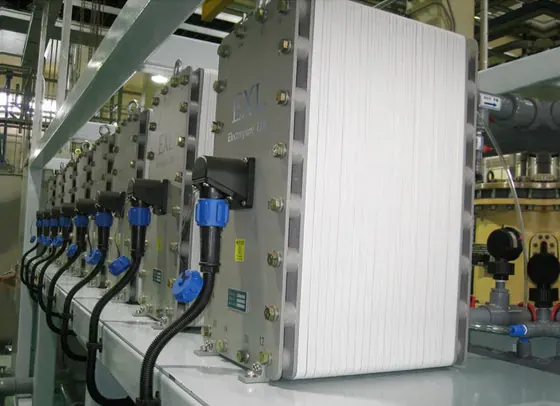
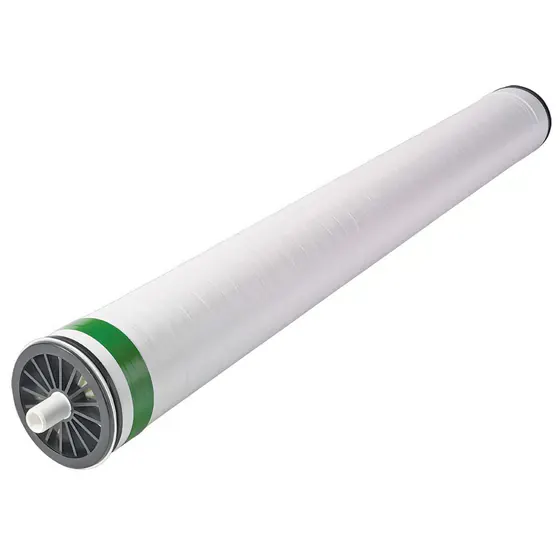
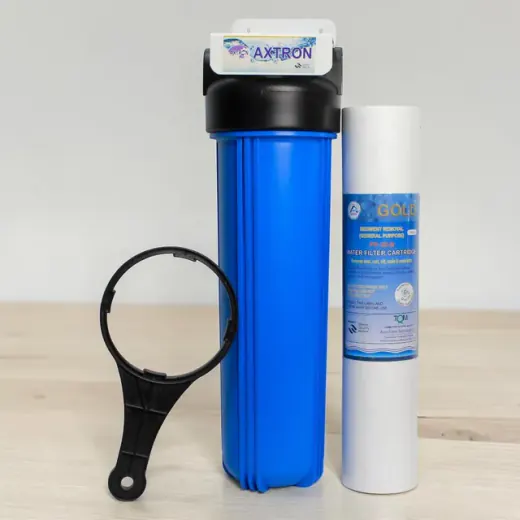
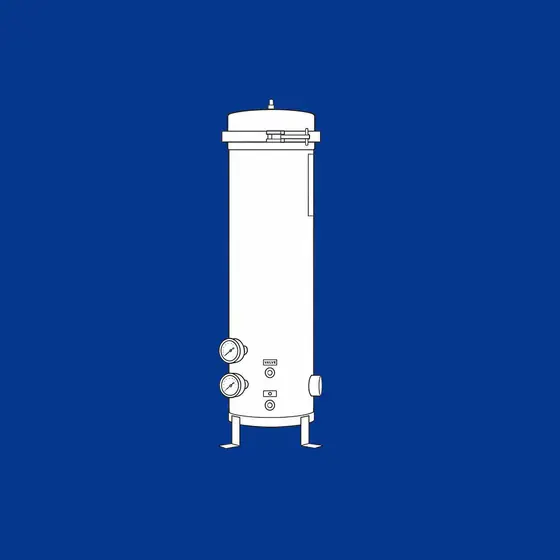
Processes brackish borewell or municipal water at industrial scale using multimedia sand + activated carbon FRP vessels, 20" Jumbo guard housings, antiscalant dosing, a vertical multistage stainless centrifugal pump, and 4040/8040 spiral pressure vessels monitored via panel rotameters and glycerin gauges.
Application Scale & Replacement Verification
Scale: Commercial / IndustrialBrand: Axtron
Compare housing dimensions, port diameter, and membrane GPD capacity before ordering spares or requesting local dealer quotes. Verify System Fit in Water Planner →
Before You Install: Record Day-1 baseline pressures (Pre-Filter In/Out, Pump Discharge, Concentrate) and Permeate/Reject LPM; trigger a CIP wash as soon as vessel Delta-P rises 15% above Day-1.
Key Technical Specs
| System Series | Axtron |
|---|---|
| Rated Capacity | 6000 GPD |
| Application Duty | Commercial / Industrial |
| Feed Pressure Target | 120–220 PSI Operating Pressure |
Right Fit When
- Water bottling plants, hospitals, schools, factories, and community drinking stations needing 500–2,000+ L/hr.
- Brackish feed water up to 3,000–5,000 ppm TDS when paired with properly calibrated antiscalant dosing.
When To Skip or Double-Check
- Never commission a commercial RO skid on hard borewell water (>250 ppm CaCO3) without functional antiscalant/SMBS dosing and upstream sand/carbon FRP pre-treatment.
Signs This Part Is Failing
- Vessel differential pressure (Feed PSI minus Concentrate PSI) climbs >15 PSI above baseline
- Permeate rotameter drops >15% in LPH/GPM despite normal pump discharge pressure
- Inline TDS/conductivity monitor alarms above target rejection threshold
Diagnostic Checklists If Something Goes Wrong
Step 1 · Audit Pre-Treatment & 20" Jumbo Guard Filter Delta-P
Is the pressure gauge after the 20" Jumbo guard filter >15 PSI lower than the inlet gauge, or is LPS tripping the skid?
Compare raw feed pressure before FRP/Jumbo stages against high-pressure pump suction pressure on the skid gauges.
Common Questions
What recovery ratio is safe for a 1,000 LPH commercial RO plant?
Run 50–65% recovery on brackish water with active antiscalant dosing; pushing >75% without multi-stage staging rapidly scales the tail membrane.
When should chemical CIP cleaning be performed?
Run CIP as soon as normalized permeate flow drops 10–15%, vessel Delta-P rises 15%, or salt passage rises by 10%—waiting until flow hits zero often causes irreversible scaling.