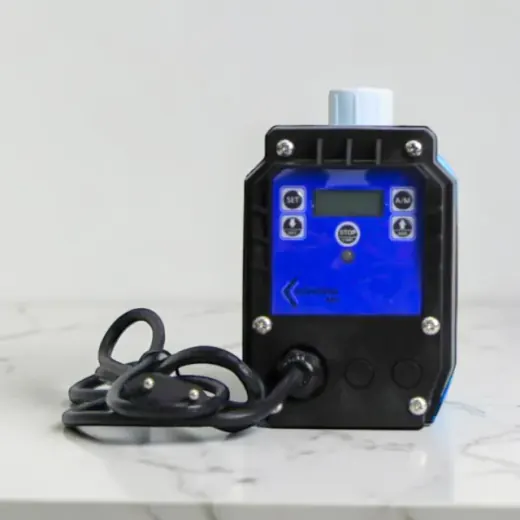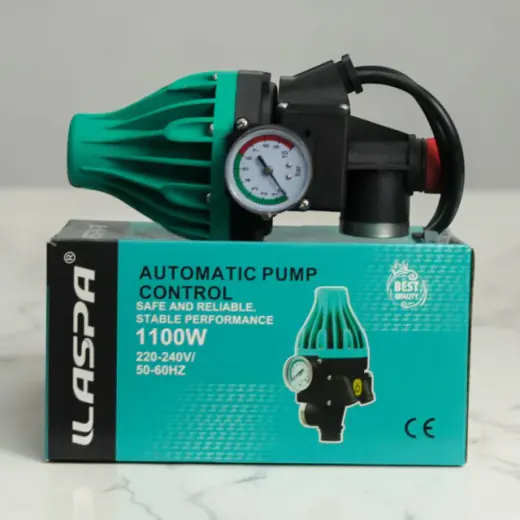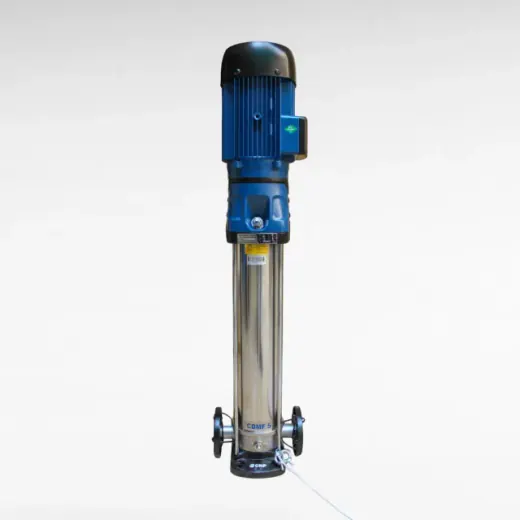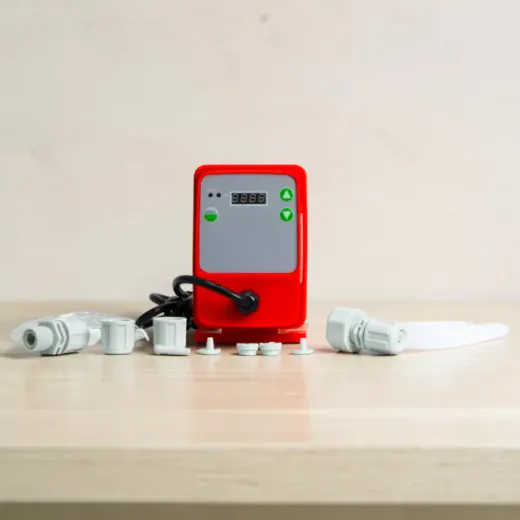
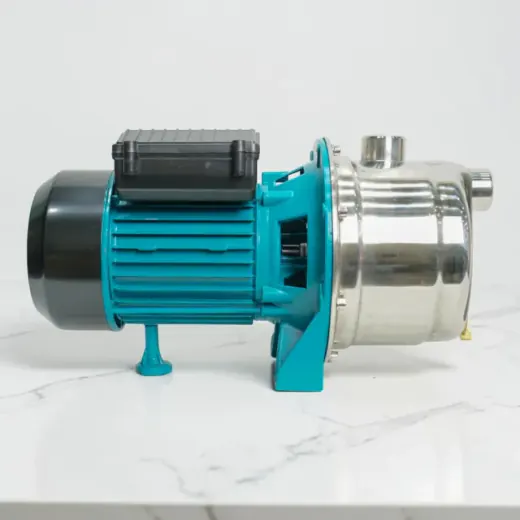
Llaspa Automatic Power Pump 1HP Motor (High-Pressure Electric Water Pump)
1HP high-pressure raw feed / transfer booster pump delivering steady 30–65 PSI supply across FRP media tanks.
Provides continuous 1-horsepower centrifugal pumping power to push raw borewell or overhead-tank water through multimedia sand, carbon, and 20" Jumbo pre-treatment beds—plus sufficient GPM flow rate to backwash commercial FRP vessels cleanly.
Application Scale & Replacement Verification
Scale: Commercial / IndustrialBrand: Axtron
Compare housing dimensions, port diameter, and membrane GPD capacity before ordering spares or requesting local dealer quotes. Verify System Fit in Water Planner →
Before You Install: Always install a spring-loaded PVC foot valve on the suction pipe inside the raw tank and fill the pump volute completely with water through the brass priming plug before first power-up.
Key Technical Specs
| System Series | Axtron |
|---|---|
| Application Duty | Commercial / Industrial |
| Wetted Hydraulic Body | SS304 / SS316L Multistage Impeller Stack |
| Shaft Seal Material | Silicon Carbide / Carbon Mechanical Seal |
Right Fit When
- Commercial RO pre-treatment feed lines feeding 8×44 to 16×65 FRP sand/carbon tanks.
- High-flow water transfer where weak gravity pressure cannot open backwash valves or feed multistage RO pumps.
When To Skip or Double-Check
- Skip single-impeller 1HP transfer pumps for high-pressure 4040/8040 RO membrane driving—they generate 30–65 PSI feed pressure rather than the 150–250 PSI required by brackish RO vessels.
Signs This Part Is Failing
- Motor spins yet zero water enters FRP media tanks (lost suction prime)
- Motor hums loudly without turning (seized impeller scale or weak start capacitor)
- Water drips around the shaft behind the wet end (worn mechanical seal)
Diagnostic Checklists If Something Goes Wrong
Step 1 · Verify pump volute prime & suction foot valve
Does the pump run smoothly without pumping water up into the pre-treatment tanks?
Unscrew the top brass priming plug—if water drops down inside the suction pipe overnight, the bottom foot valve leaks.
Common Questions
Can a 1HP transfer pump feed a 4040 RO membrane directly?
No—it serves as the pre-treatment feed/backwash pump feeding sand/carbon vessels; a high-pressure multistage pump sits downstream to push 150+ PSI into 4040/8040 membranes.
Why must suction pipe diameter equal or exceed the pump port?
Restricting suction pipe diameter chokes NPSH, causing cavitation bubbles that quickly pit impellers and overheat seals.