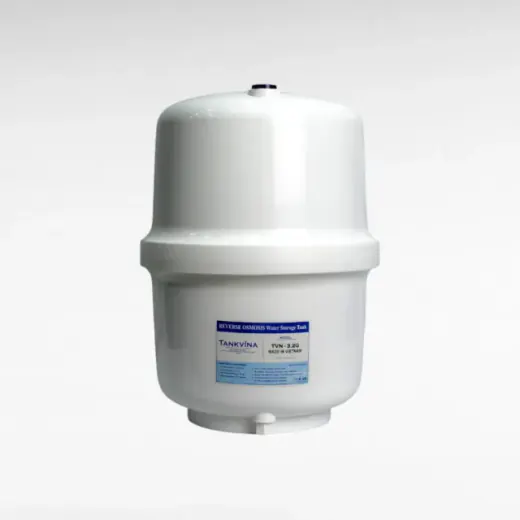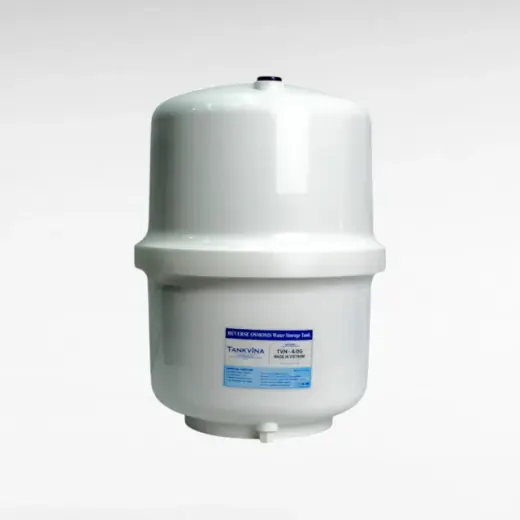
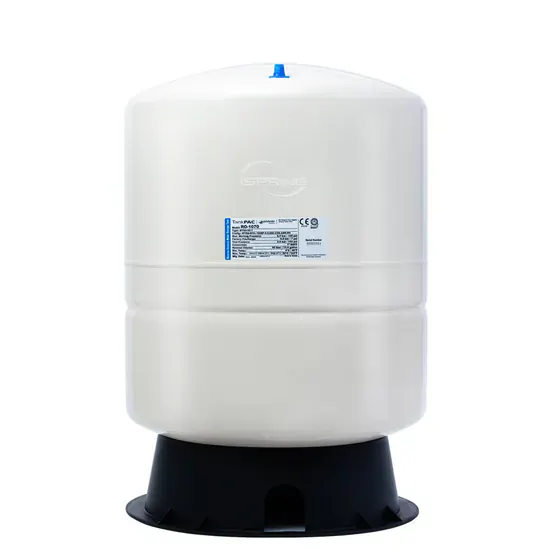
RO Pressurized Bladder Tanks & Hydropneumatic Storage Tanks
Pressurized RO butyl-bladder tanks (2.2G–20G) & steel/PAE hydropneumatic storage vessels.
Stores purified RO permeate inside a virgin polypropylene-lined butyl rubber bladder pressurized by an air cushion in the lower steel/plastic shell. Because membranes produce water gradually drop-by-drop, this pressurized reserve blasts crisp fast flow the moment you open your kitchen tap or espresso line.
Common Size / Rating Options
2.0 Gal2.2 Gal3.2 Gal4.0 Gal
Application Scale & Replacement Verification
Scale: Tanks & HousingsBrand: Engineering Family
Compare housing dimensions, port diameter, and membrane GPD capacity before ordering spares or requesting local dealer quotes. Verify System Fit in Water Planner →
Before You Install: Check empty air pre-charge ONLY with water supply shut off and faucet left completely OPEN until dripping stops (target 5–7 PSI domestic, 7–9 PSI commercial 11–20G)—if water squirts out of the bottom Schrader air pin, replace the tank immediately.
Key Technical Specs
| Engineering Category | Tanks & Housings · RO Storage Bladder Tanks |
|---|---|
| Field Variants Tracked | 288 dimensional & pressure configurations |
| Industry Standards | NSF/ANSI 58 · NSF/ANSI 61 · CE / PED |
| Tank Type | Steel Epoxy-Coated Pressurized RO Bladder Tank, Plastic Composite Rust-Proof PAE RO Bladder Tank, Fiberglass WellMate Hydropneumatic Tank |
| Capacity | 2.0 Gal, 2.2 Gal, 3.2 Gal, 4.0 Gal (+6 more) |
| Port | 1/4" Male NPT SS Stem, 3/8" Male NPT SS Stem, 3/4" Female NPT, 1" Female NPT |
| Color | White, Blue |
Right Fit When
- Under-sink 50–150 GPD residential ROs (2.2–6G) and semi-commercial 200–800 GPD skids (11–20G).
- Rust-proof PAE plastic vessels in humid coastal climates, or heavy epoxy-coated steel tanks.
- Field aliases & trade names: RO Pressure Tank, 3.2 Gal Bladder Tank, Kemflo/PAE Tank, WellMate Tank.
- Engineered to NSF/ANSI 58, NSF/ANSI 61, CE / PED criteria where applicable.
When To Skip or Double-Check
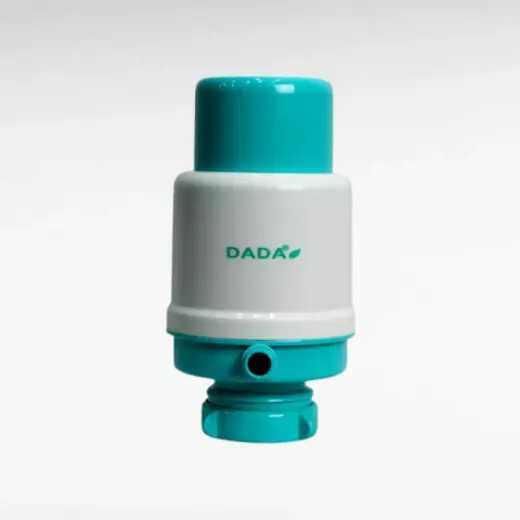
- NEVER inflate an empty RO bladder tank past 7–9 PSI (or EVER add air while the tank is shut/full!)—over-pressurization slashes usable water capacity and prevents HPS filling; and do NOT confuse pressurized RO bladder tanks with 19L bottle manual accessories.
Signs This Part Is Failing
- RO tank heavy/waterlogged with trickle flow (burst bladder
- Lost 5–7 PSI pre-charge air)
- Rusted tank base
Diagnostic Checklists If Something Goes Wrong
Step 1 · Diagnose heavy waterlogged tank (0 PSI air charge)
Does the faucet blast strongly for 10 seconds then die to a trickle while the tank still feels heavy?
Close inlet, open tank ball valve + faucet until flow stops, then test the bottom Schrader air pin with a digital low-PSI tire gauge.
Common Questions
How much drinking water does a "4-gallon" RO tank actually hold?
Roughly 2.4 to 2.8 gallons (~9–11 liters) of usable water—the rest of the shell volume holds compressed air needed to push water upward.
Steel tank vs plastic PAE tank—which lasts longer?
Both contain identical food-grade internal butyl bladders; plastic tanks eliminate external rust under damp kitchen sinks.