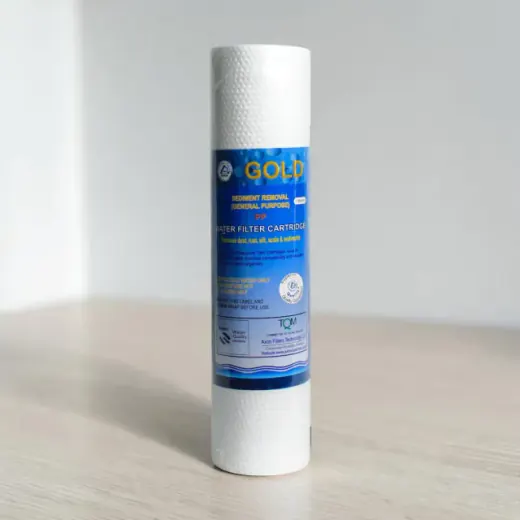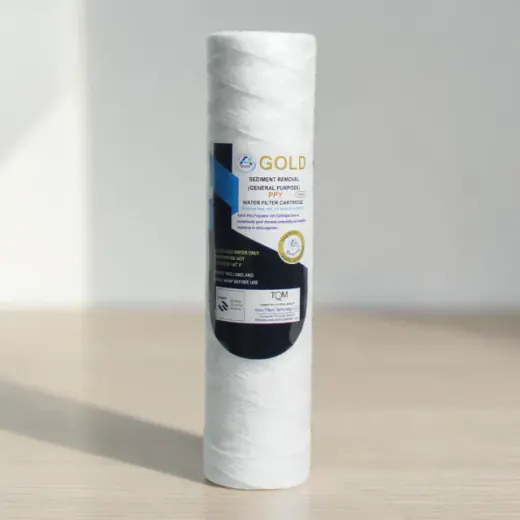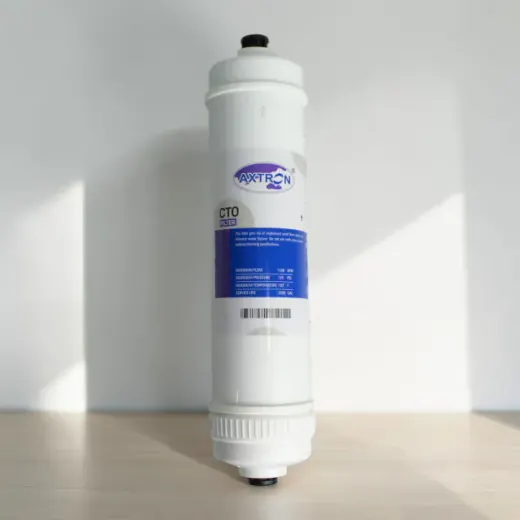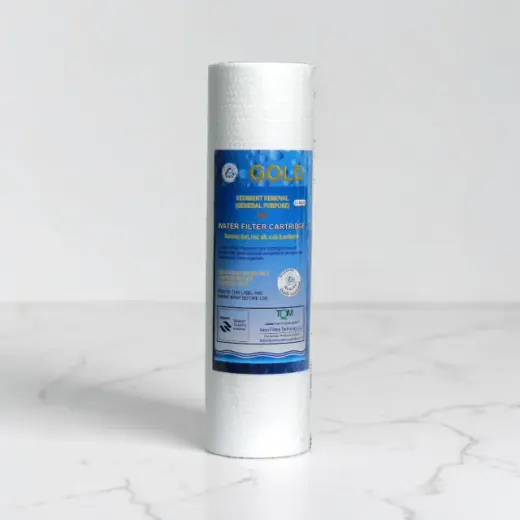
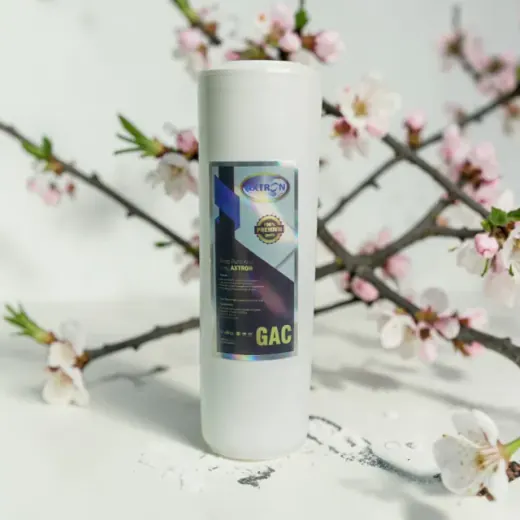
Axtron OCB Vietnam 10-Inch Activated Carbon Filter (Cartridge)
10" × 2.5" Standard DOE granular activated carbon (GAC/UDF) cartridge adsorbing chlorine, foul odor, and organics with minimal…
Loose high-iodine granular activated carbon inside a 10" × 2.5" Standard DOE axial-flow shell maximizes water-to-carbon contact without choking incoming tap pressure. Top foam compression ring forces incoming water up through the internal center bed rather than bypassing the outside wall.
Common Size / Rating Options
10" × 2.5"
Application Scale & Replacement Verification
Scale: Domestic / HomeBrand: Axtron
Compare housing dimensions, port diameter, and membrane GPD capacity before ordering spares or requesting local dealer quotes. Verify System Fit in Water Planner →
Before You Install: Insert with the thick black rubber gasket facing UP against the housing lid—installing a GAC canister upside down lets water bypass the carbon bed completely.
Key Technical Specs
| System Series | Axtron |
|---|---|
| Standard Size | 10" × 2.5" Domestic |
| Application Duty | Domestic / Home |
| Standard Housing Format | 10" × 2.5" Double Open End (DOE) |
Right Fit When
- Stage 2 pre-treatment inside 10" × 2.5" Standard DOE housings on chlorinated or musty water where maintaining brisk pump suction matters.
- Pre-filtering municipal water ahead of a Stage 3 CTO carbon block for dual-stage dechlorination.
When To Skip or Double-Check
- Never put a 10" × 2.5" Standard DOE GAC cartridge inside a differently sized housing, and never skip Stage 1 sediment ahead of GAC (mud gums up loose carbon beds permanently).
Signs This Part Is Failing
- Chlorine smell or bitter chemical taste returns downstream once carbon saturates
- Booster pumps starve if mud bypasses Stage 1 and seals carbon pores
- High TDS follows shortly after if exhausted carbon lets chlorine burn the RO membrane
Diagnostic Checklists If Something Goes Wrong
Step 1 · Verify top gasket orientation inside sump
Is water passing freely without removing chlorine odor even on a newly fitted cartridge?
Open the Stage 2 sump and confirm the flat rubber gasket rim faces UP to seal tightly against the cap port.
Common Questions
Which way does a Stage 2 GAC cartridge go inside the housing?
Always place the end with the soft black flat rubber seal facing UP toward the housing cap—the slotted grille end faces down.
Why does GAC lose efficiency faster without a Stage 1 sediment filter?
Mud and rust coat carbon granules externally, blocking water from reaching the microscopic adsorption pores inside.