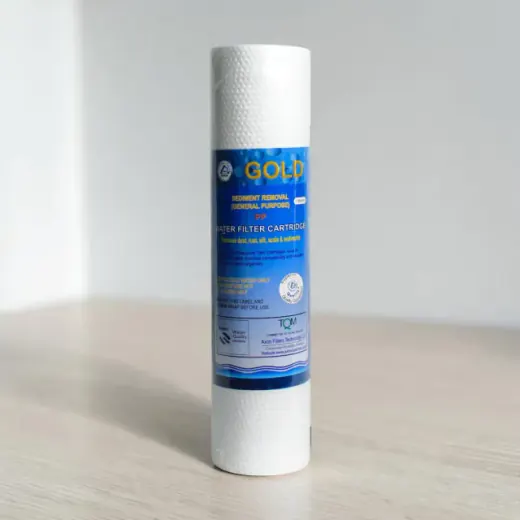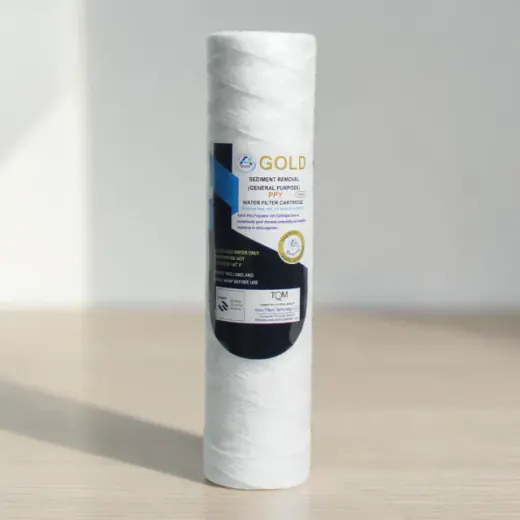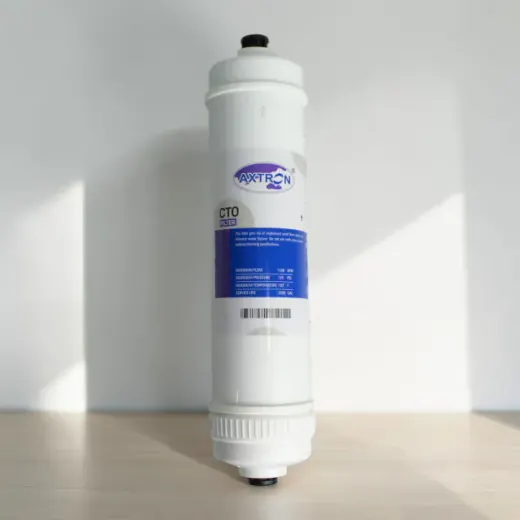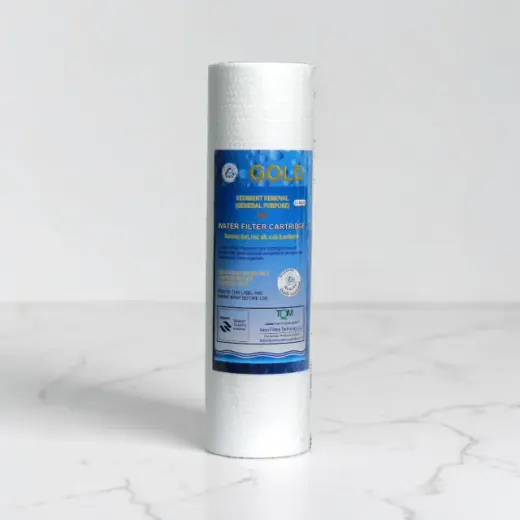
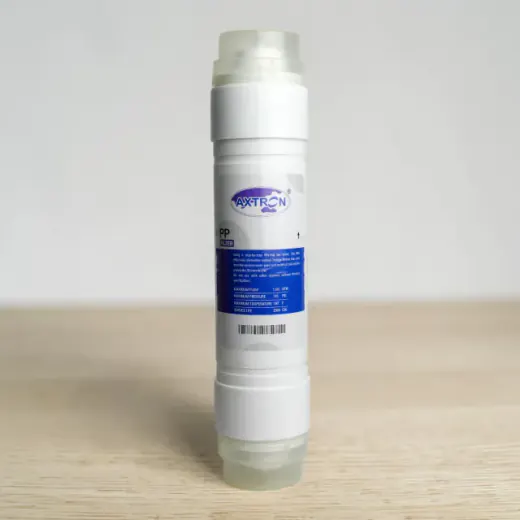
Axtron Inline PPF Cartridge (Sediment Water Filter)
10" Inline Quick-Connect 5 µm melt-blown spun polypropylene sediment cartridge stopping rust, sand, and silt before downstream stages…
Graded melt-blown fibers capture coarse sand near the outer surface and finer silt toward the rigid inner core. Sized specifically for universal 10" Inline Quick-Connect sump bowls so zero grit reaches carbon blocks, diaphragm valves, or multistage impellers.
Common Size / Rating Options
1 µm5 µm10" Std
Application Scale & Replacement Verification
Scale: Domestic / HomeBrand: Axtron
Compare housing dimensions, port diameter, and membrane GPD capacity before ordering spares or requesting local dealer quotes. Verify System Fit in Water Planner →
Before You Install: Close both the cold inlet AND any pressurized tank/pump discharge valve before opening the sump—and peel ALL clear shrink-wrap plastic off the new cartridge (a surprisingly common zero-flow mistake!).
Key Technical Specs
| System Series | Axtron |
|---|---|
| Application Duty | Domestic / Home |
| Standard Housing Format | 10" × 2.5" Double Open End (DOE) |
| Operating Temperature | 4–38 °C (39–100 °F) |
Right Fit When
- Fits any standard 10" Inline Quick-Connect Double Open End (DOE) filter housing regardless of brand.
- Stage 1 primary sediment defense on city, overhead-tank, or borewell supplies.
When To Skip or Double-Check
- Verify exact housing height and diameter first: 10" Inline Quick-Connect will not seal or fit inside different housing footprints.
Signs This Part Is Failing
- Flow weakens sharply or booster pump chatters via LPS as silt blinds outer pores
- Cartridge turns dark rust/mud brown and begins collapsing inward under Delta-P
- Fine grit slips past if end-seal alignment misses the housing standpipe
Diagnostic Checklists If Something Goes Wrong
Step 1 · Confirm shrink-wrap was peeled & pressure drop across bowl
Did water pressure drop to zero right after a filter swap, or did flow fade steadily over weeks?
Unscrew the bowl: check for forgotten clear plastic shrink-wrap, or examine outer wall for dark brown/rust sludge.
Common Questions
Can a spun polypropylene or string-wound cartridge be washed and reused?
No—depth-filtration spun/wound fibers trap fine silt deep inside the core thickness; surface rinsing leaves the inner layers plugged and strains booster pumps.
When should a Stage 1 sediment filter be swapped?
Replace every 3–6 months, or immediately if the outer surface turns dark rust-brown or downstream pump pressure dips.